How to Check Tenant References | Landlord Guide
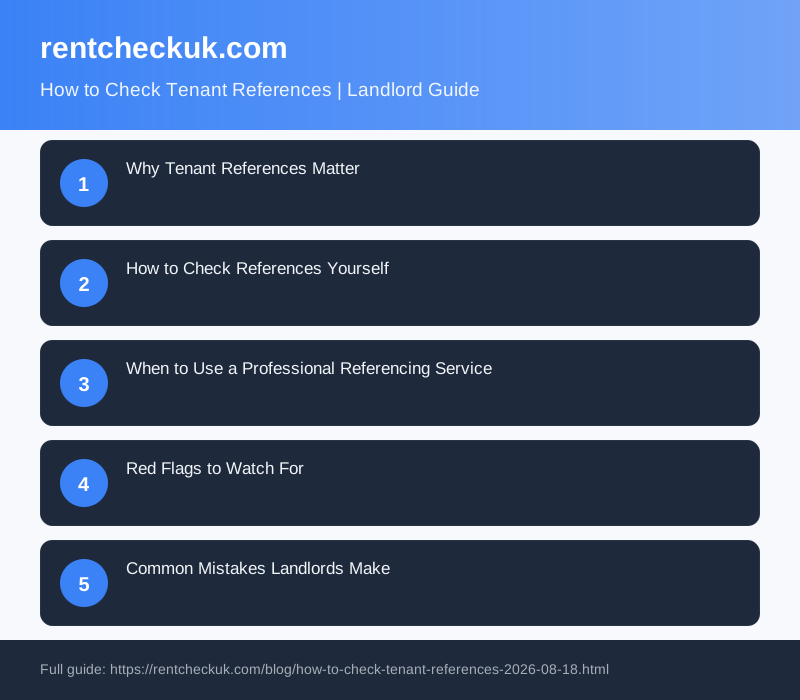
Nearly 1 in 5 landlords face payment issues from tenants with poor reference checks. Here's exactly how to verify tenant references properly, from checking employment to spotting red flags—and whether to use a professional agency.
Why Tenant References Matter
A tenant reference isn't just paperwork—it's your first line of defence against financial loss. According to the National Residential Landlords Association, rent arrears remain the leading cause of disputes between landlords and tenants. A thorough reference check catches red flags early: late rent payments, evictions, or employment gaps that suggest instability.
References also establish a paper trail. If you ever need to evict, demonstrating due diligence in your referencing process protects you legally. Moreover, many mortgage lenders and insurance policies now require proof that you've conducted proper checks before a tenant moves in.
How to Check References Yourself
1. Verify Current Employment
Contact your tenant's employer directly using the phone number listed on their tenancy application (not one they've provided). Ask HR or the payroll team to confirm:
- Length of employment
- Job title and salary or salary band
- Employment status (full-time, temporary, probation)
- Notice period required
As a rule of thumb, monthly rent shouldn't exceed 30% of gross income. If a tenant's take-home is £1,500 per month, they can comfortably afford £450 in rent.
2. Contact Previous Landlords
Ask the tenant for 2–3 previous landlords (not family members). When you call, be specific:
- Did they pay rent on time, every time?
- How long did they stay, and why did they leave?
- Were there any complaints from neighbours?
- Was the property returned in good condition?
- Would you let to them again?
A hesitant "yes" or vague answer often speaks louder than a direct "no." Document everything in writing.
3. Run a Credit Check
You can order a credit report through Experian, Equifax, or TransUnion (with the tenant's written consent). Look for:
- County court judgments (CCJs)
- Defaults or missed payments
- Eviction records
- Bankruptcy or Individual Voluntary Arrangements (IVAs)
4. Check Right to Rent Status
Since 1 December 2016, you're legally required to verify that your tenant has the right to rent in the UK. This means checking their passport, visa, or settled status. Failure to do so can result in fines up to £20,000.
When to Use a Professional Referencing Service
If you manage multiple properties or want to standardise your process, professional tenant referencing services handle verification in 2–5 working days. They typically cost £25–£80 per tenant and check:
- Credit history and affordability
- Employment verification
- Previous landlord references
- Right to rent status
- County court judgments
The advantage: they take liability off your shoulders. If their report misses a red flag and the tenant later defaults, the service may cover losses (check their terms). For first-time landlords or single-property owners, professional services offer peace of mind that's worth the cost.
Red Flags to Watch For
Never ignore these warning signs during reference checks:
- Employment gaps: Unexplained gaps longer than 3 months suggest instability.
- Frequent moves: More than one house move per year is unusual (unless work-related).
- Vague or evasive answers: A previous landlord's refusal to provide details is a warning.
- References from family: These aren't credible. Always ask for independent previous landlords.
- Recent CCJs or defaults: Recent is within the last 2–3 years. Older judgments may be less concerning if the tenant has since demonstrated stability.
- Inconsistent information: If their application says they've lived somewhere for 2 years, but they claim 1 year in a reference call, investigate.
Common Mistakes Landlords Make
Rushing the process. A quick reference check beats no check, but thorough is better. Allow 5–7 days for full verification. Accepting excuses without evidence. A tenant claims they left their last place due to a landlord dispute? Ask for written proof or contact the council.
Failing to document. Keep detailed notes of every reference check—dates, names, numbers, responses. This protects you if the tenant later claims you discriminated against them.
Not checking right to rent. This is legally mandatory. Many landlords skip it and face hefty fines. Use the UK Government's right to rent checklist.
Ignoring credit checks. A poor credit score doesn't automatically disqualify a tenant, but combined with other red flags, it's telling. If someone defaulted on rent three years ago, they may have learned their lesson—or they may do it again.
How Long Should You Keep Reference Records?
Keep all reference documentation for at least 5 years. This covers you if a dispute arises during or after the tenancy and demonstrates compliance with fair housing laws.
FAQ
Can I ask for references beyond the last landlord?
Yes. Asking for 2–3 previous landlords gives you a fuller picture. However, if a tenant has only lived in one previous property, you can reasonably ask for a character reference from an employer or professional instead.
What if a tenant refuses to provide references?
You can reject their application. No reference checks = no let. If they claim they've never rented before and have no previous landlord, request additional proof such as a letter from their employer confirming employment stability or a larger deposit.
Is a credit check enough?
No. Credit checks show only financial history, not whether they'll damage the property, breach the tenancy agreement, or cause disturbances. Always combine credit checks with employment and landlord references.
Can I charge the tenant for reference checks?
You cannot charge for references themselves, but you can include reasonable application fees (typically £15–£40) to cover administration, credit checks, and ID verification—provided you declare these upfront and refund unsuccessful applicants if required by local letting agent regulations.
What's the legal liability if I don't check references?
There's no specific law mandating reference checks (except right to rent verification). However, failing to check references leaves you exposed: if a tenant causes damage, defaults on rent, or breaches the agreement, you'll have no paper trail proving you exercised due diligence. This weakens your eviction case and can result in longer court proceedings.
Affiliate disclosure: Some links in this article are affiliate links. We may earn a commission if you make a purchase, at no extra cost to you. This helps us provide free resources for landlords and tenants.